

In the rich fabric of First Nations culture, not many clothing items carry as much importance as the ribbon skirt. Historically, doned by https://www.ribbonskirts.com/collections/ribbon-skirt , these skirts are vivid expressions of identity, tradition, and spiritual connection. Each ribbon adorning the fabric represents power, resilience, and the beauty of the wearer's cultural heritage. As increasingly https://www.ribbonskirts.com/ embrace and cherish these skirts, they exist as a reflection to the stories and principles passed down through generations.
The revival of interest in Native ribbon skirts exemplifies a larger movement of cultural reclamation and strength within Native American communities. These clothing not only serve as a reflection of cultural heritage but also as a vehicle through which females express their distinct personal narratives. Native American Ribbon Skirts if donned for formal occasions, community events, or daily routines, each garment is a medium for innovation, typically incorporating lively colors and patterns that tell a story of belonging and relationship to one’s heritage. The symbolism intrinsic within these skirts resonates deeply, reminding us of the lasting essence of Native traditions.
Cultural Importance of Decorative Skirts
Ribbon skirts hold a profound place in the cultural heritage of many First Nations. Historically, these skirts were utilized by women and girls during significant ceremonies and gatherings, symbolizing respect, pride, and relationship to their background. The presence of vibrant ribbons in the skirts not only contributes beauty but also signifies the interlacing of stories and narratives unique to each wearer. As time passed, the styles and patterns of ribbon skirts evolved, indicating changes in cultural practices and influences from neighboring communities.
The importance of ribbon skirts reaches beyond surface attractiveness; they serve as an representation of identity, and perseverance. Many Native cultures went through disruptions due to colonization, which attempted to erase indigenous identities. However, the renewal and continued wearing of ribbon skirts represent a restoration of cultural practices and a recognition of femininity within Native communities. Each skirt tells a story, containing the strength and endurance of generations of women.
As ribbon skirts have gained recognition and respect, they transcend mere clothing. They are now worn not only for historic reasons but also in contemporary settings as a symbol of cultural pride. The resurgence of interest in ribbon skirts has fostered collective engagement, encouraging younger people to discover about their heritage while inspiring women to articulate their identity in innovative ways. These skirts embody a tradition that connects the past with the present, allowing the narratives of Native peoples to flourish.
Cultural Symbolism and Meanings
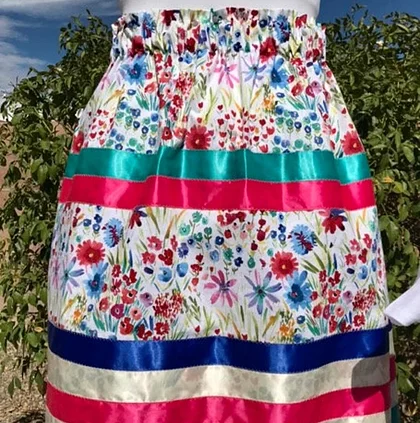
Native ribbon skirts are full in cultural symbolism and serve as a visual illustration of identity, heritage, and resilience. Each ribbon hue frequently possesses distinct interpretations, relating tales of the wearer’s personal experience and cultural background. The colors are picked to represent principles such as power, insight, compassion, and relationship to the earth. In various Indigenous societies, the skirts signify a bond to one's heritage and a devotion to maintaining cultural heritage.
The act of wearing a ribbon skirt is also a powerful declaration of unity among Native females. It functions as a source of liberation, amplifying the voices of those who wear it and recalling them of their position as cultural bearers. When displayed at rituals, assemblies, or demonstrations, ribbon skirts cultivate a feeling of community and honoring of Native identity. They evolve into a platform where private and community histories blend, showcasing the vibrant cultures that are commonly ignored.
Furthermore, the craftsmanship involved in crafting ribbon skirts is a way of narration. All skirt is often made by hand, showing not only artful display but also the abilities handed down through lineages. This tradition not just honors the creator’s heritage but also upholds the idea of community and continuance. Every stitch is imbued with importance, making the ribbon skirt a dynamic piece of craft that carries forward the tales of Native cultures.
Contemporary Use and Revitalization
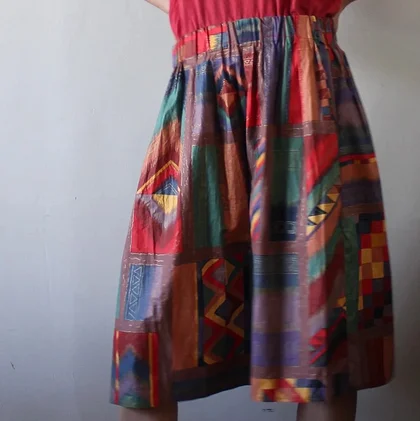
Over the past few years, Native ribbon skirts witnessed a significant resurgence across many Indigenous communities. This resurgence is not only about the look of the skirts and also about tying back to cultural roots and showcasing identity. A lot of women and girls are proudly wearing these skirts during community celebrations, ceremonies, and gatherings, as a way to honor their ancestors and celebrate their cultural roots. This movement has encouraged a new generation to learn the traditional skills of stitching and fabric arts, ensuring that practices are transmitted.
Social media platforms have taken a vital role in the revitalization of ribbon skirts, providing a platform for artists and craftspeople to showcase their works and stories. Through online tags and online communities, the recognition of ribbon skirts has expanded, allowing individuals from diverse backgrounds to appreciate their significance. This digital space has also fostered dialogue around the value of cultural preservation and has prompted more people to explore their own Indigenous identities. The bright colors and patterns of the skirts often narrate unique stories, rendering each piece a personal and communal narrative.
In addition, educational initiatives focusing on the art of making ribbon skirts are contributing to combat the cultural erasure experienced by numerous Indigenous peoples. Workshops and classes are being conducted in numerous communities, where individuals can learn about the materials, techniques, and meanings behind these garments. By participating in this hands-on learning, participants not only gain practical skills but also strengthen their connection to their heritage. This revitalization reflects a wider movement towards embracing Indigenous culture and nurturing pride and solidarity among community members.