

Ribbon Skirts are more than just a beautiful garment; they are a colorful expression of culture, and identity for numerous Indigenous communities. https://www.ribbonskirts.com/collections/ribbon-skirt is steeped in custom, telling stories that extend across generations. These skirts, frequently adorned with vivid ribbons, serve as a blank slate for personal and communal stories, preserving the heritage and resilience of Native peoples.
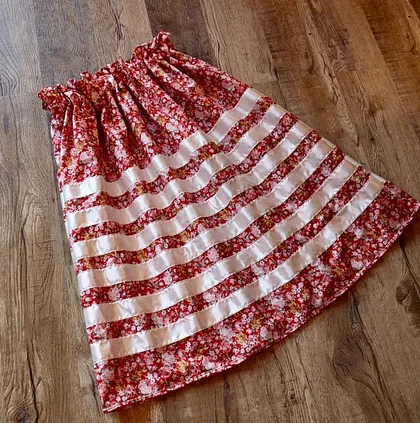
As we delve into the skill behind Native Ribbon Skirts, it is clear that they are more than just clothes, but symbols of honor and connection to one's roots. https://www.ribbonskirts.com/collections/native-american-ribbon-skirts involved in their creation reflects a deep understanding of fabrics and skills passed down through generations. From selecting the right fabrics to the intricate process of stitching, each element plays a crucial role in crafting a creation that honors the past while recognizing the present.
Cultural Significance of Ribbons Skirts
Native Ribbon Skirts hold deep cultural significance within Native American communities, symbolizing identity, resilience, and continuing traditions. Traditionally, worn by women and girls during significant ceremonies and gatherings, these skirts reflect not only personal heritage but also the shared story of the tribe. The vibrant colors and patterns often tell individual or cultural narratives, linking wearers to their roots and forebearers.
The process of making and donning a ribbon skirt is often seen as a ceremony of transition. For many Indigenous women, the first ribbon skirt marks the change into adulthood, representing the obligations and roles they are expected to embrace within their communities. https://www.ribbonskirts.com/ fosters a sense of belonging and serves to strengthen ties to traditional heritage, allowing for the preservation of history and identity.
In modern times, ribbon skirts have gained prominence as symbols of empowerment and resistance against cultural erasure. By boldly wearing these skirts, Native women recover their stories and resist the imposition of colonial norms. The renewal of attention in ribbon skirts has sparked discussions around Native American rights and the importance of cultural identity, highlighting the vital role these garments play in advocating for societal justice and acknowledgment.
Methods and Supplies Used
The creation of Native ribbon skirts includes a variety of techniques transmitted through generations. One of the most significant techniques is the use of precise stitching to fasten colorful ribbons to the fabric. Artisans typically start with a sturdy base fabric, usually cotton or silk, which serves as a canvas for the intricate designs. The stitching not just secures the ribbons but also introduces texture and depth to the overall look of the skirt.
Supplies play a vital role in the craftsmanship of ribbon skirts. The ribbons themselves are commonly made from satin or grosgrain, offered in a wide range of colors and patterns. This diversity allows for personal expression and individualization in each piece. Additionally, many artisans incorporate decorative elements such as embroidery or beadwork, adding to the cultural significance and visual appeal of the skirts.
Modification of techniques can differ among different Native communities, making each skirt uniquely representative of its maker's heritage. Some craftspeople may utilize traditional methods, while others may experiment with contemporary designs and materials. The fusion of old and new continues to progress, ensuring that the craftsmanship of Native ribbon skirts stays dynamic and significant in modern fashion.
Contemporary Understandings and Influence
Indigenous ribbon skirts have evolved considerably in contemporary fashion, reflecting individual creativity while respecting cultural traditions. Designers are progressively incorporating modern textiles and techniques, resulting in unique interpretations that appeal with younger generations. This fusion of traditional craftsmanship with modern aesthetics not only revitalizes enthusiasm in ribbon skirts but also ensures their significance in today's fashion landscape.
The effect of these modern interpretations extends beyond fashion. Many Native artists and designers view ribbon skirts as a canvas for narrative expression, using hues and designs to convey personal and cultural narratives. As these stories gain visibility through different mediums, they empower Native voices and inspire a deeper understanding of Indigenous culture. This renewal can foster community pride and encourage the preservation of traditional skills among younger generations.
Moreover, the rise of social media has facilitated a wider audience for Native ribbon skirts, providing a forum for dialogue about cultural heritage appropriation and appreciation. As these garments gain awareness on international stages, they serve as symbols of identity and resilience for Indigenous communities. The increasing visibility allows for greater appreciation of the craftsmanship behind each piece, encouraging support for Native artisans and the sustainable practices they represent.