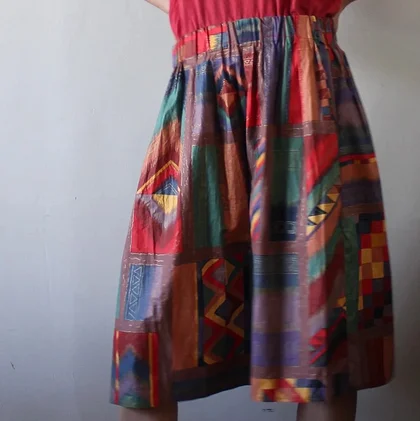
Indigenous Ribbon Skirts are more than just beautiful attire; they are woven with meaningful cultural significance and serve as strong symbols of identity and heritage. For many Native women, these skirts represent not only individual identity but also a connection to their roots. Each strip, seam, and design carries stories passed down through generations, reflecting the values, traditions, and stories of the groups they belong to.
The vibrant colors and intricate designs used in Native Ribbon Skirts often hold important meanings and can symbolize various aspects of life, the spirit, and the natural world. As many women embrace these heritage garments, they are not just recognizing their own identities but also revitalizing a deep cultural legacy. In this journey of https://www.ribbonskirts.com/ collections/native-american-ribbon-skirts">Native Ribbon Skirts , we will delve into the meanings embedded in these special creations and showcase the important role they play in modern Indigenous cultures.
Social Meaning of Traditional Skirts
First Nations Ribbon Skirt s hold deep cultural importance within Indigenous communities, serving as icons of selfhood, background, and perseverance. Traditionally worn by women and girls for numerous ceremonies and gatherings, these skirts represent a connection to ancestors and the deep history of Native peoples. Every ribbon, commonly brightly colored and diligently sewn, can convey personal stories and reflect the wearer's background, making each garment one-of-a-kind.
The construction of Ribbon Skirts is not merely a artistic outlet; it embodies the lessons and principles of the society. The designs often incorporate traits that align with traditional beliefs, showcasing motifs of the environment, spirituality, and community. Wearing a Ribbon Skirt can be an act of restoring and celebrating Indigenous identity, particularly in modern contexts where such cultural expressions are important for the preservation of cultural practices.
Moreover, Ribbon Skirts play a key role in fostering a sense of belonging and solidarity among Indigenous women. By wearing these skirts during cultural celebrations, women create a visual representation of togetherness and strength. They serve as a reminder of the importance of community and the shared experiences of dealing with the challenges faced by Indigenous peoples today. In this way, Traditional Skirts transcend style; they become a ongoing narrative of resilience and cultural pride.
Design Elements and Symbolism
Native ribbon skirts are full of meaning and often include various design elements that connect the wearer to their heritage. The size and shape of the skirt can symbolize different phases of existence and the journey of a female within her society. Traditionally, these skirts are designed to have a graceful style, symbolizing the energy and motion of the spirit. The choice of colors in the ribbons, whether lively and colorful or subdued and natural, conveys a blend of personal meaning and cultural relevance, showing the wearer's personal path and connection to her ancestors.
The employment of ribbons in these skirts holds deep importance. Each ribbon can symbolize different aspects of existence, such as affection, honor, and resilience. Frequently, the arrangement of ribbons is intentional, relaying a story that can vary from one skirt to another. Some designs feature traditional motifs or patterns that have been passed down through generations, acting as a symbol of the collective memory and cultural heritage of the group. This artistry not only showcases artistic skill but also strengthens the value of preserving heritage.
In addition, wearing a ribbon skirt is not just about personal expression; it is also an affirmation of cultural roots and community ties. These garments are often worn during significant life events, ceremonies, and gatherings, reinforcing the connection between individuals and their culture. As women don these skirts, they embrace their responsibility as keepers of heritage, honoring the teachings and sacrifices of those who came before them. In this way, Native ribbon skirts stand out as essential symbols of strength, permanence, and identity.
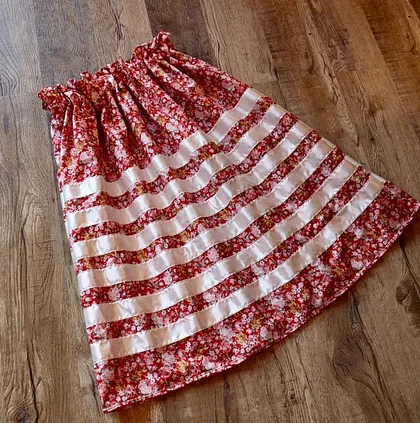
Current Interpretations & Usage
In present-day settings, Native ribbon skirts have moved beyond traditional roles to become a statement of self-identity and self-expression. Many Indigenous women choose to wear these skirts during communal celebrations, powwows, and community events, using bright colors and intricate designs to represent their personal stories and legacy. This fusion of cultural practice and modernity not only honors cultural practices but also highlights the creativity and flexibility of Native artists and designers.
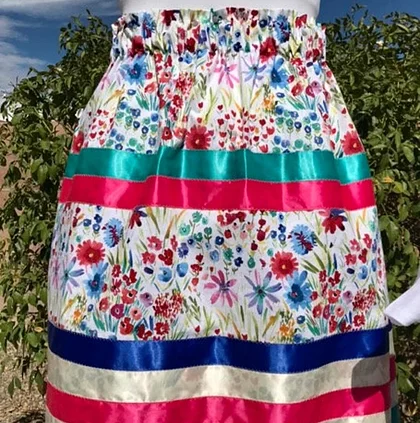
Fashion designers from Indigenous communities have more frequently incorporated ribbon skirts into mainstream fashion, producing a fusion of styles that appeal to younger generations. Social media has played a significant role in this movement, allowing Indigenous women to share their unique takes of ribbon skirts with a larger audience. As more individuals recognize the significance of these garments, the demand for sustainably made and culturally inspired clothing is on the rise.
Additionally, the rise of recognition about Native American culture has led to a enhanced appreciation for ribbon skirts beyond Native communities. Alliances between Indigenous artisans and non-Indigenous designers are becoming more frequent, emphasizing honor for cultural heritage while promoting economic opportunities. As ribbon skirts gain visibility in the fashion world, they act as powerful symbols of resilience, cultural pride, and link to culture, bridging the past with modern life.