

In the realm of style, the elegance of time-honored garments frequently tells a deeper story, weaving together culture, identity, and history. Among these garments, Indigenous ribbon skirts stand out as powerful symbols of heritage and resilience. They are more than mere clothing; they symbolize the rich tapestry of Indigenous cultures, each stitch and ribbon embroidered with meaning and significance.
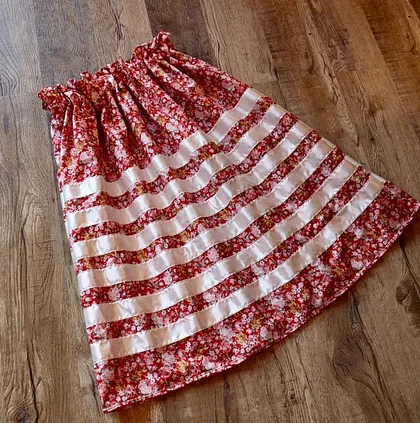
Historically, ribbon skirts were primarily worn mainly by Native women, acting as a canvas for individual creativity and cultural pride. These skirts are adorned with colorful ribbons that sway elegantly, commonly displaying representative colors and patterns indicative of the wearer's community and values. As Native American Ribbon Skirts continues to evolve, Native ribbon skirts have become prominence, encouraging a broader audience to value their cultural relevance and the stories they embody.
Historical Origins of Ribbon Skirts
The history of ribbon skirts can be traced back to the cultural attire of Native American women in North America. These garments have long served as a symbol of cultural identity and community connection. Initially made from materials such as fabric and wool, ribbon skirts were designed to be practical yet beautiful, reflecting the craftsmanship and creativity of the women who made them. They were worn during numerous ceremonies, festivals, and daily activities, embodying the values and stories of Indigenous peoples.
As colonization took hold, the cultural ways of life and garments faced serious challenges. Many Indigenous practices, including the making of ribbon skirts, were oppressed or changed. However, https://www.ribbonskirts.com/collections/ribbon-skirt of Indigenous communities ensured that these customs endured. Women continued to create and wear ribbon skirts, often incorporating vibrant ribbons that symbolized their tie to heritage and personal stories. This adaptation became a way to restore identity and express heritage pride in the face of adversity.
In recent years, there has been a renewal of interest in ribbon skirts, sparking conversations about their importance. Many Indigenous women are reviving the tradition, both as a form of cultural expression and as a statement against past wrongs. Ribbon skirts have evolved to include modern materials and designs, yet their roots remain deeply embedded in the traditions of Indigenous peoples. This renewal speaks to the ongoing path of cultural survival and the importance of clothing as a means of honoring cultural roots.
Societal Representations and Significance
Native Ribbon Skirts serve as deep emblems of selfhood, legacy, and strength among Indigenous women. Traditionally, these skirts are decorated with colorful ribbons that symbolize the connection to the earth, ancestors, and traditional stories. Each turn and selection of hue in the ribbons carries meanings unique to specific tribes and communities, showing their distinct histories and beliefs. Wearing a ribbon skirt is more than a fashion statement, but a visible expression of cultural pride and continuity.
The importance of the ribbon skirt extends past personal expression to include broader community values. It often appears in significant life events, including ceremonies, powwows, and celebrations, marking different stages of life such as initiation rituals. During these events, the skirt becomes a form of storytelling, with every woman’s style contributing to the cultural narrative that connects generations together. This collective aspect reinforces the idea that clothing is a critical vessel for maintaining and conveying traditions.
Furthermore, ribbon skirts are increasingly becoming a means of defiance and empowerment in modern society. As Indigenous communities retrieve their cultural practices and assert their identities, the skirt symbolizes strength and perseverance against past injustices. By promoting the artistry and significance of ribbon skirts within as well as Native communities and wider society, these garments challenge prejudices and foster comprehension and appreciation for Indigenous cultures, showcasing a fusion of tradition and modernity.
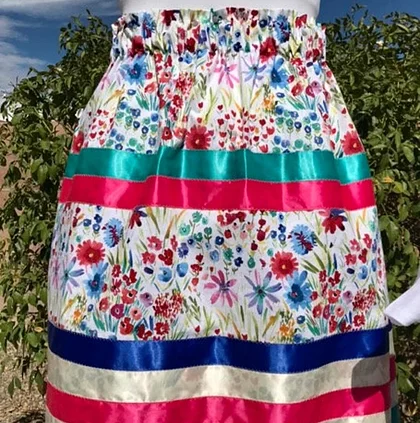
Modern Reinterpretations and Style Innovations
As modern fashion continues to evolve, Native ribbon skirts have made their way into today's wardrobes, bridging cultural heritage with present style trends. Native American Ribbon Skirts and artisans are redesigning traditional designs, incorporating various materials, colors, and patterns to create unique pieces that resonate with a wider audience. This fusion of old and new has made ribbon skirts not only a sign of cultural pride but also a fashionable item that appeals to varied tastes.
Social media platforms have a crucial role in this resurgence, as influencers and creators display their interpretations of ribbon skirts, motivating others to embrace these garments. Through platforms like Instagram and TikTok, the exposure of Native designers has risen, allowing them to share their stories and the importance behind these skirts. This visibility has allowed ribbon skirts to go beyond their traditional uses, becoming versatile pieces worn at different events, celebrations, and even casual outings.
The sustainability movement within fashion has also embraced Native ribbon skirts, highlighting handmade craftsmanship and the use of local, natural materials. Consumers are increasingly drawn to items that narrate a story and support local artisans, leading to a growing valuing for these skirts as a representation of both cultural identity and ethical fashion. As a consequence, Native ribbon skirts continue to thrive in modern style, honoring their rich heritage while adjusting to contemporary demands.