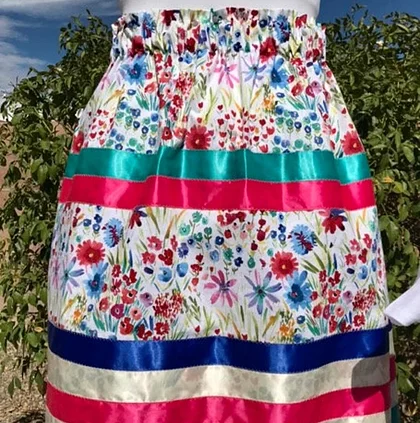
Ribbon dresses are not just clothing; they are a vibrant expression of Native heritage, identity, and endurance. Emerging from diverse Aboriginal communities, these skirts have been integrated into the tapestry of many practices, serving both functional and ritual purposes. The use of decorative bands in the making of these skirts transforms them into eye-catching art pieces, each narrating a tale of heritage and bond to the earth.
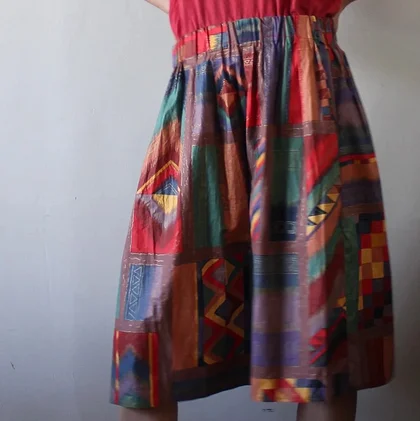
As we begin this cultural journey, we will examine the importance of Aboriginal ribbon skirts, their historical roots, and their resurgence in contemporary fashion. From the fabrics used to the skills passed down through generations, each skirt reflects a personal tale, honoring ancestral traditions while adapting to modern trends. Join us as we dive into the beauty and importance behind these cherished garments.
Historical Significance of Ribbon Skirts
Ribbon skirts hold deep historical significance within Indigenous cultures, serving as a symbol of selfhood and resilience. Traditionally, these skirts have been adorned by Native women across various nations, representing not only ethnic heritage but also a connection to ancestry. The patterns and colors chosen often reflect personal stories, community ties, and the natural environment, making each skirt unique and meaningful.
The craftsmanship involved in making ribbon skirts represents a lush tradition of textile work that has been passed down through generations. Women have traditionally played a essential role in the creation and maintenance of cultural practices, and the making of ribbon skirts is a vivid manifestation of this. The sewing of ribbons onto fabric is not merely a task; it is an act of celebrating one's heritage and a way to keep traditional teachings alive in modern society.
In recent years, the revival of ribbon skirts has gained momentum as a form of cultural expression and self-empowerment. Many Indigenous women are taking back this traditional attire, using it as a way to celebrate their identity and resist cultural erasure. Wearing ribbon skirts in public spaces and at important events highlights their importance and fosters a sense of community and pride among Aboriginal peoples.
Cultural Meanings and Uses
Indigenous ribbon skirts are strongly embedded in the identity of many Indigenous communities. They serve as a vibrant expression of cultural background, showcasing intricate designs and hues that often hold particular meanings tied to the wearer’s tribal affiliation and personal journey. The skirts are historically made using vividly colored ribbons, with each color representing different aspects of life, such as love, honor, and strength. This link to nature and the spiritual realm is a essential part of the traditional narrative surrounding these garments.
The use of ribbon skirts extends beyond mere aesthetics; they play a important role in cultural ceremonies and celebrations. Women and girls wear these skirts during dances, festivities, and important life milestones. The act of wearing a ribbon skirt is often accompanied by a feeling of pride and strength, asserting the identity of Indigenous women within their communities. It is also a way to celebrate ancestral teachings, as these skirts are typically passed down through generations, transmitting stories and blessings.
In modern contexts, the resurgence of ribbon skirts represents a restoration of identity and resilience among Indigenous peoples. Many artisans are now integrating modern materials and techniques while still respecting traditional designs. This evolution reflects both a respect for the past and an adaptation to current cultural expressions, allowing the skirts to connect with younger generations. As a result, ribbon skirts have become a strong symbol of unity, healing, and cultural renewal in the face of historical challenges.
Contemporary Resurgence and Adaptations
The return of aboriginal ribbon skirts in modern fashion reflects a rising respect for Indigenous culture and identity. Many designers and artisans are reinterpreting traditional styles, incorporating modern fabrics and techniques while honoring the symbolism and significance of these garments. https://www.ribbonskirts.com/collections/native-american-ribbon-skirts of old and new not only respects ancestral traditions but also makes the skirts more available and attractive to a larger audience.
Local events and social media have taken a significant role in the revival of ribbon skirts. Workshops and gatherings allow individuals to discover about the history behind the skirts while exchanging their personal stories and experiences. These platforms have fostered a sense of community and solidarity, inspiring Indigenous women to demonstrate their heritage through fashion as a form of expression and pride in their identity.
Moreover, the adaptation of ribbon skirts extends beyond aesthetics. https://www.ribbonskirts.com/collections/ribbon-skirt are using their work to raise awareness about contemporary Indigenous issues, embedding their designs with messages of resilience and activism. This approach changes the skirts into powerful symbols, making a statement about cultural survival and empowerment in a modern context while ensuring that the rich history of these garments continues to prosper.